Glass Skin Serum UK: A Careful Guide to Finish, Formula and Fit
Choose a glass-skin serum by formula, finish, routine fit and tolerance, without relying on miracle claims. A practical UK skincare guide.
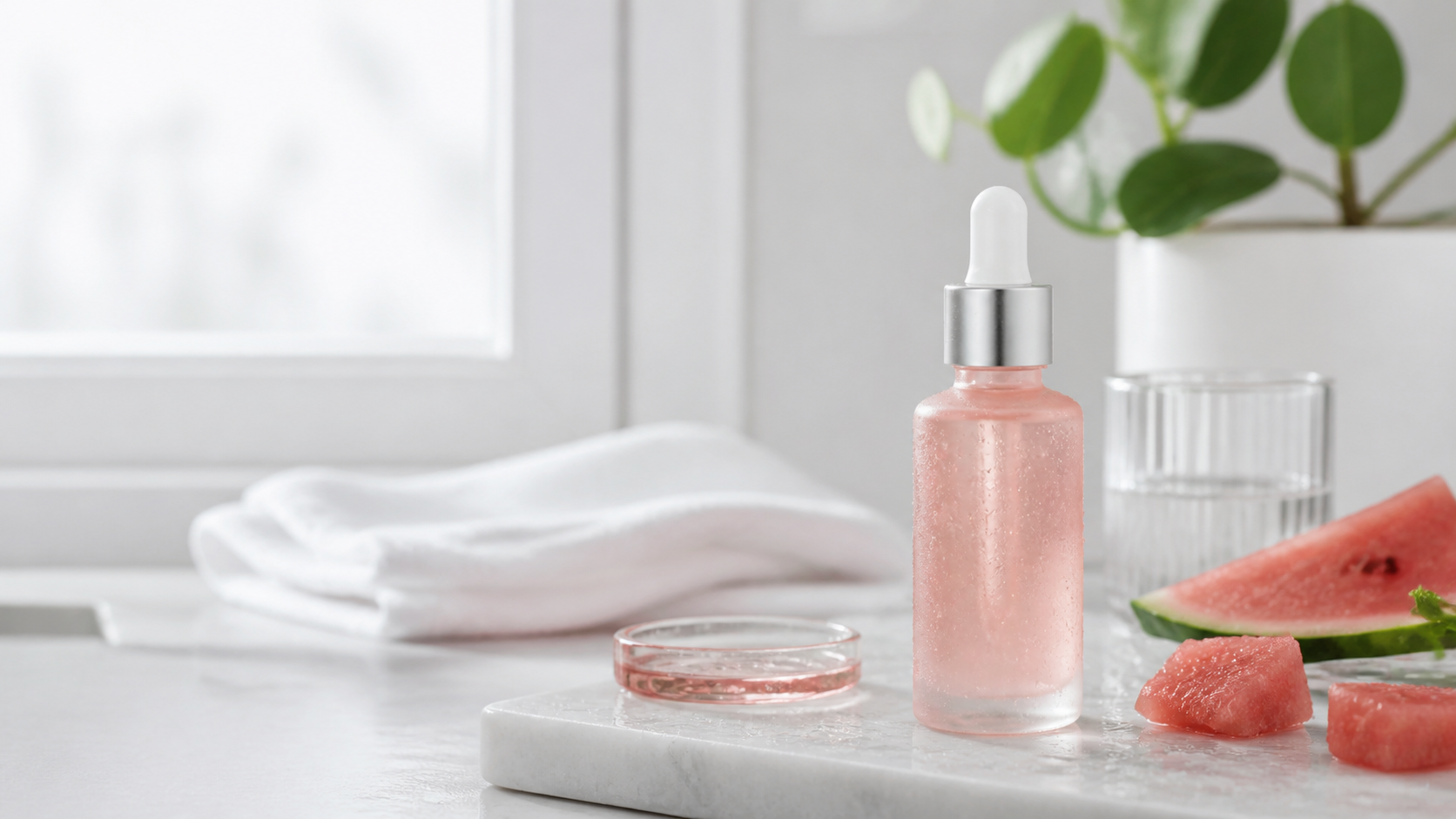
A good glass-skin serum should make sense inside your routine before it makes promises about your reflection. In practice, the useful buying questions are simple: what finish do you want, what is actually in the formula, how will it layer with the products you already use, and how will you respond if your skin dislikes it?
That is a safer and more useful standard than expecting one bottle to create poreless, filtered-looking skin. “Glass skin” describes an appearance, not a medical outcome or a guaranteed result. Skin texture, lighting and individual tolerance vary, and a cosmetic cannot be judged from a polished product photograph alone.
Start with the finish you actually want
“Glowing” can mean several different things. One buyer may want a light, comfortable layer under make-up. Another may want a dewy finish on bare skin. Someone with an already rich routine may simply need a serum that does not pill under moisturiser and sunscreen.
Write down the job in one sentence before comparing products:
I want a light serum that leaves my skin feeling comfortable and looking dewy, and that layers with my morning routine without irritation or pilling.
That sentence is more useful than a list of fashionable ingredients. It identifies an observable finish, a practical routine requirement and a tolerance boundary. It also makes it easier to reject a product that is too fragranced, too sticky or too complicated for you, even if its headline sounds attractive.
Separate cosmetic language from evidence
UK advertising guidance draws an important distinction between temporary appearance claims and claims that imply a physiological or medicinal effect. Phrases such as “more radiant-looking” or “skin feels smoother” can describe perception or appearance. Claims to treat disease, permanently alter skin structure or guarantee a cumulative transformation require a different and much stronger level of evidence.
For a buyer, this creates a practical rule: prefer descriptions you can check over outcomes you are asked to imagine.
| Description on a page | What to check |
|---|---|
| Lightweight or fast-absorbing | Texture, directions and how much the maker tells you to use |
| Dewy or radiant-looking finish | Whether that appearance suits your routine and make-up |
| Contains a named ingredient | Full ingredient list, not just the front-label highlights |
| Suitable for daily use | Maker’s directions and your own tolerance |
| Treats acne, eczema or another condition | Do not treat a cosmetic claim as medical advice |
Do not assume that a familiar ingredient name proves a specific result. Concentration, formulation, packaging and the rest of the routine all matter. If the seller has not published evidence for a precise efficacy claim, the honest position is that the outcome is unverified.
Read the whole formula, not the three hero ingredients
The current Tailaimei listing names watermelon extract, niacinamide and hyaluronic acid. That is useful as a label check, but it is not the same as knowing the concentration of each ingredient or proving a particular result.
Before ordering, inspect the current product page or packaging for the complete ingredient list. Check especially for ingredients you already know you avoid, including fragrance components or preservatives that have caused you difficulty before. The word “watermelon” on its own does not tell you how the finished serum will feel or whether your skin will tolerate it.
If the full list is unavailable, ask the retailer before purchase. Do not fill the gap with assumptions from another serum that happens to feature the same headline ingredient.
Build the serum into a simple routine
A cautious first use is easier to interpret than introducing several new products together.
- Follow the product’s own directions and use a modest amount.
- Introduce one new leave-on product at a time.
- Keep the rest of the routine familiar for the first uses.
- Notice comfort, visible irritation and whether the layers pill or remain tacky.
- Stop using the product if it causes a concerning reaction, and seek appropriate professional advice if symptoms are persistent or severe.
An at-home spot check is not the same as clinical patch testing. NHS diagnostic patch testing is a specialist procedure used to investigate contact allergy. Do not use a casual home test to declare that an ingredient is medically safe for you.
For people with an existing skin condition, a history of significant reactions, or treatment prescribed by a clinician, personalised advice matters more than a general buying guide.
Check how it layers
Pilling is often a routine problem rather than proof that a serum is ineffective. Too much product, incompatible textures or applying layers before the previous one has settled can all make a routine unpleasant.
Test the serum in the position where you intend to use it. A simple morning order might include cleansing, the serum, moisturiser and then your chosen sun protection, following each product’s directions. The exact order can depend on the formulas involved, so avoid treating one social-media routine as universal.
If the serum leaves the finish you want but clashes with make-up, try a smaller amount and allow each layer to settle. If it remains uncomfortable, that is a valid reason to choose another formula. A product does not have to be “bad” to be wrong for your routine.
Compare three neighbouring intents without duplicating them
Tailaimei has several serum guides, and each should answer a different question.
- This page is about a dewy or glass-skin appearance, routine fit and cautious selection.
- The watermelon face serum guide is the more specific route for buyers researching watermelon-led formulas.
- The affordable vitamin C serum guide is for readers comparing vitamin C as a named formula category.
Use the page that matches the decision you are making. Do not treat three adjacent keywords as three reasons to make the same unsupported promise.
A practical buying checklist
Before paying, confirm all of the following:
- The complete ingredient list is available and current.
- The product directions fit the time and number of steps you will realistically follow.
- The finish is described as cosmetic appearance, not a guaranteed transformation.
- You understand whether fragrance is present.
- The bottle and dispensing method suit how quickly you will use it.
- The current price, delivery information and returns policy are acceptable.
- You have a plan to stop and reassess if the product causes irritation.
Packaging deserves attention too. A dropper can be convenient, but it should not touch the face and then return to the bottle. Close the container after use and store it as directed. If colour, odour or texture changes unexpectedly, check the maker’s advice rather than trying to rescue the product.
Where the current Tailaimei serum fits
The live Tailaimei Watermelon Dew Drops product page describes a lightweight gel serum and lists watermelon extract, niacinamide and hyaluronic acid. Those are seller-provided product facts, not an independent clinical finding.
The listing may be relevant if you want a watermelon-positioned, dewy-finish serum and the complete formula is compatible with your preferences. It is not possible from the ingredient highlights alone to promise “glass skin”, treat a condition or predict how every buyer’s skin will respond.
Check the live page again before ordering because formulation, availability, price and directions can change. Keep the choice grounded in the current label rather than an old screenshot or this article’s publication date.
Frequently asked questions
Can a serum guarantee glass skin?
No. “Glass skin” is an appearance term. A serum may be designed to leave a dewy or radiant-looking finish, but texture, tolerance, routine and lighting vary. Treat guaranteed or permanent transformation claims cautiously.
Are niacinamide and hyaluronic acid enough to choose a serum?
No. The whole formula, concentrations, texture, packaging and your tolerance matter. Headline ingredients are a starting point for checking the label, not proof of a particular outcome.
Should I patch-test a new serum?
Follow the maker’s directions and introduce new leave-on products cautiously. Remember that a small home spot check is not the same as NHS diagnostic patch testing for contact allergy. Seek professional advice for significant or persistent reactions.
How long should I wait before deciding whether the finish suits me?
You can assess immediate comfort, pilling and cosmetic finish during early uses. Do not invent a fixed deadline for deeper claims that the manufacturer has not substantiated. Stop sooner if irritation occurs.
What is the most useful first question?
Ask whether the complete formula and intended finish fit your actual routine. That question protects you better than choosing by trend, ingredient popularity or an edited before-and-after image.